
In an age where environmental consciousness is at the forefront of societal concerns, junk car recycling has emerged as a vital practice that not only addresses the issue of vehicle waste but also contributes significantly to sustainability efforts. Junk cars, often seen as mere eyesores or burdensome liabilities, can be transformed into valuable resources through recycling. This process not only mitigates the negative impacts of abandoned vehicles on our landscapes but also plays a crucial role in conserving natural resources and reducing pollution.
The concept of junk car recycling involves the dismantling and repurposing of vehicles that are no longer operational or economically viable to repair. This practice is not just about scrapping metal; it encompasses a comprehensive approach to reclaiming various materials, including plastics, glass, and rubber. As we delve deeper into the intricacies of junk car recycling, it becomes evident that this process is essential for fostering a more sustainable future while simultaneously addressing the pressing issue of waste management.
Junk cars pose a significant threat to the environment, primarily due to their potential to leak hazardous substances into the soil and water systems. When vehicles are left abandoned or improperly disposed of, they can release toxic fluids such as oil, antifreeze, and battery acid. These substances can seep into the ground, contaminating local ecosystems and posing health risks to wildlife and humans alike.
The accumulation of these pollutants can lead to long-term environmental degradation, making it imperative to address the issue of junk cars effectively. Moreover, the sheer volume of junk cars on our roads contributes to the growing problem of waste management. According to estimates, millions of vehicles reach the end of their life cycle each year, resulting in a staggering amount of waste that must be managed.
If these vehicles are not recycled properly, they contribute to overflowing landfills and increased greenhouse gas emissions. The environmental impact of junk cars extends beyond immediate pollution; it also encompasses the broader implications of resource depletion and habitat destruction associated with the extraction and processing of raw materials.
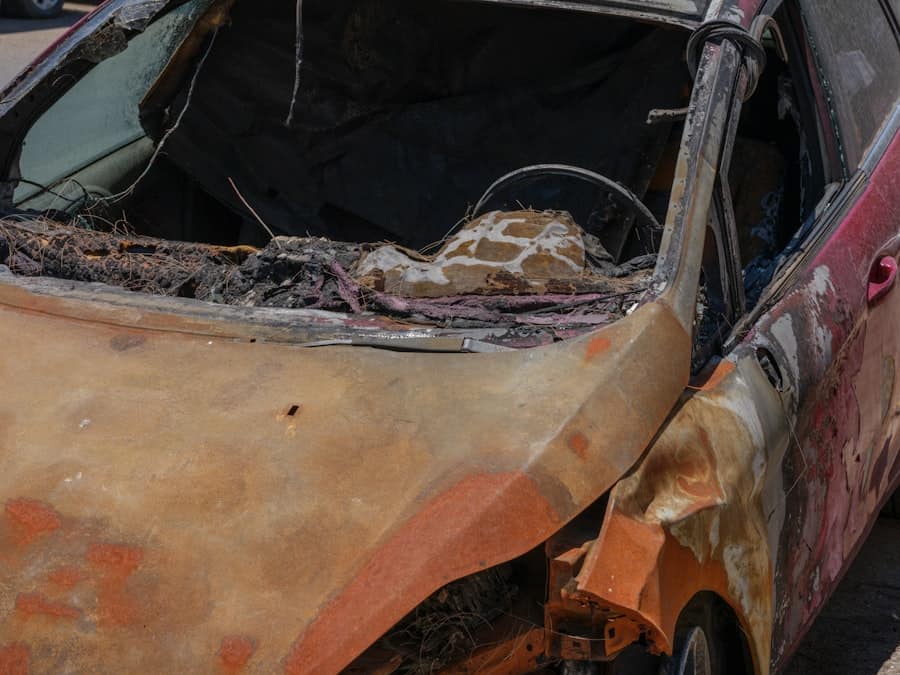
Recycling junk cars offers numerous environmental benefits that extend far beyond the immediate act of dismantling a vehicle. One of the most significant advantages is the conservation of natural resources. By recycling metals such as steel and aluminum from junk cars, we reduce the need for mining and refining new materials.
This not only conserves energy but also minimizes the ecological footprint associated with resource extraction, which often involves habitat destruction and significant carbon emissions. Additionally, junk car recycling helps reduce pollution levels. The recycling process minimizes the amount of waste sent to landfills, thereby decreasing methane emissions—a potent greenhouse gas produced by decomposing organic matter in landfills.
Furthermore, by reclaiming materials from junk cars, we can significantly lower air and water pollution associated with manufacturing new products from virgin materials. This holistic approach to recycling not only benefits the environment but also promotes a circular economy where resources are reused and repurposed rather than discarded.
The process of junk car recycling is a systematic approach that involves several key steps to ensure that vehicles are dismantled safely and efficiently. Initially, the vehicle is assessed for its condition and potential for reuse. If parts are salvageable, they are removed and refurbished for resale or repurposing.
This step is crucial as it maximizes the value extracted from each vehicle while minimizing waste. Once reusable parts have been removed, the remaining structure is processed for its metal content. The vehicle is crushed and shredded into smaller pieces, allowing for easier separation of different materials.
Advanced technologies are employed to sort metals from plastics and other components effectively. This meticulous process ensures that as much material as possible is recycled, reducing the overall environmental impact associated with vehicle disposal.
| Metric | Impact | Environmental Benefit |
|---|---|---|
| Steel Recovery Rate | Up to 95% | Reduces need for mining new iron ore, conserving natural resources |
| Energy Savings | Up to 74% less energy used compared to producing new steel | Decreases greenhouse gas emissions and fossil fuel consumption |
| Landfill Waste Reduction | Thousands of tons of scrap metal diverted annually | Prevents hazardous materials from contaminating soil and groundwater |
| Pollution Prevention | Proper disposal of fluids and batteries | Reduces risk of toxic leaks and water pollution |
| Reuse of Parts | Many components refurbished and resold | Extends product life cycle, reducing demand for new manufacturing |
Auto recycling facilities play a pivotal role in the junk car recycling process by serving as hubs for dismantling and processing vehicles. These facilities are equipped with specialized tools and technologies designed to handle various aspects of vehicle recycling safely and efficiently. Trained professionals work diligently to ensure that every component is evaluated for its potential reuse or recycling.
They implement best practices for managing hazardous materials, ensuring that fluids are properly contained and disposed of in accordance with local laws. By operating within these guidelines, auto recycling facilities contribute significantly to promoting sustainable practices within the automotive industry while providing valuable services to consumers looking to dispose of their old vehicles responsibly.

The landscape of junk car recycling is heavily influenced by environmental regulations designed to protect public health and preserve natural resources. Governments at various levels have established guidelines that dictate how junk cars should be handled throughout their lifecycle—from disposal to recycling.
Compliance with these regulations is essential for auto recycling facilities, as failure to adhere can result in significant penalties and environmental harm. Facilities must maintain proper documentation regarding the handling and disposal of hazardous materials, ensuring transparency in their operations. By fostering a culture of compliance within the industry, these regulations help create a safer environment for both workers and communities while encouraging responsible consumer behavior regarding vehicle disposal.
One of the most critical aspects of junk car recycling is the proper disposal of hazardous materials found within vehicles. Components such as batteries, oil filters, and coolant systems contain substances that can be detrimental to both human health and the environment if not managed correctly. For instance, lead-acid batteries can leak toxic lead into soil and water sources if discarded improperly.
To mitigate these risks, auto recycling facilities implement stringent protocols for handling hazardous materials. This includes safely draining fluids from vehicles before dismantling them and ensuring that hazardous components are disposed of in accordance with local regulations. By prioritizing proper disposal methods, these facilities not only protect public health but also contribute to broader environmental sustainability efforts.
As we look toward the future, the importance of junk car recycling in promoting environmental sustainability cannot be overstated. With advancements in technology and increasing awareness about environmental issues, the recycling industry is poised for growth and innovation. Emerging technologies such as artificial intelligence and automation are being integrated into recycling processes, enhancing efficiency and accuracy in material recovery.
Furthermore, as consumer attitudes shift toward sustainability, there is a growing demand for eco-friendly practices within the automotive industry. This trend presents an opportunity for auto recyclers to position themselves as leaders in sustainability by adopting best practices that prioritize environmental stewardship. By embracing these changes, junk car recycling can play a pivotal role in creating a more sustainable future—one where resources are conserved, pollution is minimized, and communities thrive.
In conclusion, junk car recycling is not merely a solution for disposing of old vehicles; it is a critical component of our collective effort toward environmental sustainability. By understanding its impact on our planet and actively participating in responsible recycling practices, we can contribute to a healthier environment for future generations. Whether you are a vehicle owner looking to dispose of an old car or an advocate for sustainable practices, consider supporting junk car recycling initiatives in your community today!
Recycling junk cars not only helps reduce waste but also plays a significant role in conserving natural resources and minimizing pollution. For those looking to dispose of their non-drivable vehicles responsibly, you can find valuable information on how to get top dollar for your junk car in various locations. For instance, check out this article on top dollar for junk car towing in Sartell, Minnesota, which highlights the benefits of recycling and offers fast cash and free towing services.
Junk car recycling is the process of dismantling old, damaged, or non-functional vehicles to recover usable parts and materials. These materials, such as metal, plastic, and glass, are then processed and reused in manufacturing new products.
Junk car recycling helps reduce environmental pollution by preventing hazardous substances like oil, battery acid, and antifreeze from contaminating soil and water. It also conserves natural resources by reusing metals and other materials, reducing the need for mining and raw material extraction.
Common materials recovered include steel, aluminum, copper, plastic, glass, and rubber. These materials are sorted and sent to recycling facilities where they are processed and repurposed.
Yes, recycling junk cars significantly reduces the amount of waste sent to landfills. By salvaging parts and materials, fewer vehicle components end up as trash, minimizing landfill use and environmental impact.
Recycling metals from junk cars uses less energy compared to producing metals from virgin ore. This energy savings helps lower greenhouse gas emissions and reduces the overall carbon footprint of manufacturing processes.
Yes, junk car recycling is regulated to ensure safe handling and disposal of hazardous materials. Regulations vary by region but generally require proper draining of fluids, removal of batteries, and environmentally responsible recycling practices.
Indirectly, yes. By recycling metals and materials, the demand for mining and manufacturing new materials decreases, which in turn reduces emissions from these industrial processes, contributing to lower air pollution.
Individuals can contribute by properly disposing of their old vehicles through licensed recycling centers or junkyards that follow environmental regulations. Avoiding illegal dumping and supporting certified recyclers helps ensure environmentally responsible recycling.

