
Junk cars are vehicles that have reached the end of their operational life due to mechanical failure, accident damage, or age-related deterioration. While these automobiles may no longer function as transportation, they retain significant economic and environmental value through various recycling and repurposing channels. The automotive recycling industry processes millions of end-of-life vehicles annually, recovering valuable materials including steel, aluminum, copper, and precious metals used in catalytic converters.
Approximately 80% of a vehicle’s weight consists of recyclable materials, making junk cars a substantial source of raw materials for manufacturing industries. Beyond material recovery, junk cars serve multiple purposes in today’s economy. Auto salvage yards extract functional components such as engines, transmissions, and electronic systems for resale as used parts.
This practice reduces manufacturing demand for new components and provides affordable repair options for vehicle owners. Additionally, some vehicles retain restoration potential, particularly classic or collectible models that may appreciate in value despite their current condition. The environmental impact of proper junk car disposal extends beyond material recovery.
Professional recycling facilities safely remove and dispose of hazardous fluids including motor oil, transmission fluid, coolant, and refrigerants, preventing soil and groundwater contamination. The steel recovered from recycled vehicles requires significantly less energy to process compared to producing new steel from iron ore, resulting in reduced carbon emissions and energy consumption in the manufacturing sector.
One of the most immediate values of junk cars lies in their scrap metal content. Vehicles are primarily composed of steel and aluminum, both of which are highly sought after in the recycling market. When a car reaches the end of its life cycle, it can be dismantled and its metal components sold to scrap yards, where they are melted down and repurposed for new products.
This process not only generates revenue for the owner but also contributes to a more sustainable economy by reducing the need for new raw materials. The price of scrap metal fluctuates based on market demand, but even in a down market, junk cars can yield a significant return. For instance, a typical junk car can weigh anywhere from 2,000 to 4,000 pounds, translating into hundreds of dollars in scrap value.
Additionally, as industries increasingly prioritize sustainability, the demand for recycled metals continues to grow, making junk cars an attractive option for those looking to cash in on their old vehicles.
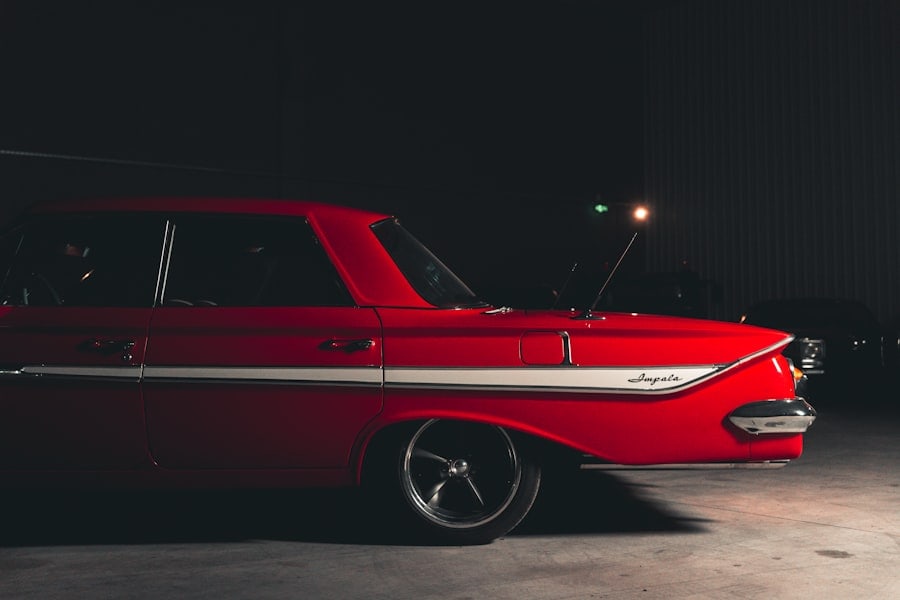
Beyond their scrap metal value, junk cars often contain numerous salvageable parts that can be reused or refurbished. Many components, such as engines, transmissions, and electronic systems, can be extracted and sold individually. This not only provides a financial return but also supports the growing market for used auto parts, which is increasingly popular among budget-conscious consumers and environmentally aware individuals.
In many cases, parts from junk cars are in surprisingly good condition. For example, tires, batteries, and even body panels can be salvaged and resold at a fraction of the cost of new parts. This practice not only helps car owners save money on repairs but also reduces waste by extending the life cycle of automotive components.
By choosing to purchase used parts from junk cars rather than new ones, consumers contribute to a circular economy that prioritizes sustainability and resource conservation.
The environmental benefits of recycling junk cars cannot be overstated. When vehicles are properly dismantled and recycled, they significantly reduce the amount of waste that ends up in landfills. According to the Environmental Protection Agency (EPA), recycling one ton of steel can save 2,500 pounds of iron ore, 1,400 pounds of coal, and 120 pounds of limestone.
By recycling junk cars, we not only conserve these valuable resources but also minimize the environmental impact associated with mining and manufacturing new materials. Moreover, the recycling process for junk cars helps prevent hazardous materials from contaminating the environment. Many vehicles contain fluids such as oil, coolant, and gasoline that can be harmful if released into the soil or water supply.
Responsible recycling facilities ensure that these substances are safely removed and disposed of according to environmental regulations. This proactive approach protects ecosystems and public health while promoting responsible waste management practices.
| Metric | Description | Typical Value | Impact on Junk Car Value |
|---|---|---|---|
| Metal Content | Amount of recyclable metal such as steel, aluminum, and copper | 1,000 – 1,500 lbs | High – Metals are sold to scrap yards for recycling |
| Usable Parts | Condition and availability of parts like engines, transmissions, and electronics | Varies by vehicle condition | Medium to High – Salvageable parts can be resold |
| Weight of Vehicle | Total weight influences scrap metal payout | 2,000 – 4,000 lbs | High – Heavier vehicles yield more scrap value |
| Market Price of Scrap Metal | Current price per ton of scrap metal | 150 – 300 per ton | High – Fluctuates with global metal demand |
| Environmental Regulations | Rules requiring proper disposal and recycling of hazardous materials | Strict in many regions | Medium – Increases cost but also value of recycled materials |
| Demand for Used Parts | Market demand for second-hand auto parts | Moderate to High | Medium – Drives value of salvageable components |
| Condition of Vehicle | Extent of damage and operability | Non-operational to partially functional | Medium – Better condition increases value |
For car enthusiasts and hobbyists, junk cars represent a canvas for creativity and restoration. Many individuals find joy in taking a neglected vehicle and transforming it into a fully functional masterpiece. Whether it’s a classic muscle car or an old pickup truck, the potential for restoration is limited only by one’s imagination and skill level.
This trend has gained traction in recent years as more people seek unique projects that allow them to express their passion for automobiles. Restoring a junk car can also be a financially rewarding endeavor. While it requires an initial investment of time and resources, many restored vehicles can appreciate significantly in value once they are brought back to life.
Classic cars, in particular, have become highly sought after in collector markets, often fetching prices far exceeding their original value. For those willing to put in the effort, restoring a junk car can be both a fulfilling hobby and a lucrative investment.
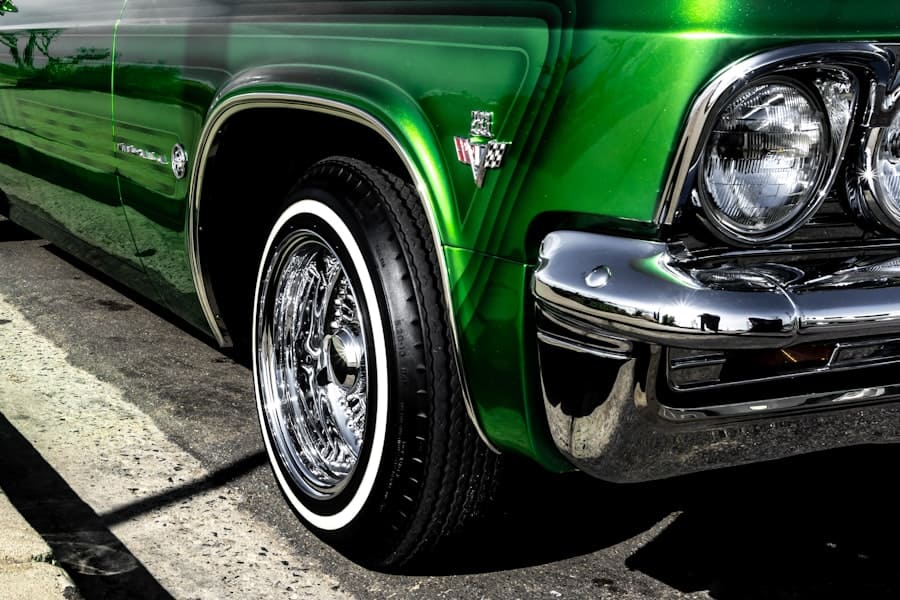
The demand for used car parts has surged in recent years as consumers become more budget-conscious and environmentally aware. Many vehicle owners are now opting for used parts instead of new ones due to their affordability and reliability. This shift has created a thriving market for salvaged components from junk cars, making it an attractive option for both sellers and buyers.
Auto repair shops often turn to salvage yards for used parts to help keep costs down for their customers.
Additionally, many consumers appreciate the idea of reusing parts rather than contributing to the production of new ones, aligning with their values of sustainability and resource conservation.
The recycling opportunities presented by junk cars extend beyond just metal and parts; they encompass a wide range of materials that can be repurposed or reused. For instance, glass from windows can be recycled into new glass products, while rubber from tires can be transformed into various items such as playground surfaces or asphalt additives. This comprehensive approach to recycling maximizes the value extracted from each vehicle while minimizing waste.
Furthermore, many communities have established programs aimed at encouraging the recycling of junk cars through incentives or partnerships with local salvage yards. These initiatives not only promote responsible disposal practices but also raise awareness about the importance of recycling in reducing environmental impact. By participating in such programs, individuals can contribute to a more sustainable future while benefiting from the financial returns associated with recycling their old vehicles.
In conclusion, junk cars are far more than just discarded vehicles; they represent a treasure trove of opportunities waiting to be unlocked. From their intrinsic value as scrap metal to the potential for salvaging parts and restoring classic models, these vehicles offer numerous benefits that extend beyond mere disposal. Moreover, the environmental advantages associated with recycling junk cars underscore their importance in promoting sustainability and responsible resource management.
As we continue to navigate an increasingly eco-conscious world, it is essential to recognize the value inherent in junk cars. Whether you’re looking to sell an old vehicle or considering a restoration project, embracing the potential of these cars can lead to financial rewards while contributing positively to our planet. So next time you encounter a junk car, remember that it may just hold more value than you ever imagined—both for you and for the environment.
Take action today by exploring your options for recycling or restoring that old vehicle sitting in your driveway; you might be surprised at what you discover!
If you’re curious about the value of junk cars and how to maximize your return, you might find the article on selling non-drivable cars in Minnetonka, MN particularly insightful. It discusses various factors that contribute to the worth of junk cars and offers tips on how to get the best price, making it a great complement to understanding why junk cars are still worth money.
Junk cars still have value because many of their parts can be recycled, refurbished, or sold for reuse. Metals like steel, aluminum, and copper can be extracted and recycled, and some components such as engines, transmissions, and electronics may still be functional or repairable.
The value of a junk car is typically determined by factors such as the weight and type of metal it contains, the condition and demand for its parts, the make and model of the vehicle, and current scrap metal prices. Some buyers also consider the ease of towing and the location of the vehicle.
In many places, it is possible to sell a junk car without a title, but requirements vary by state or country. Some scrap yards or junk car buyers may accept vehicles without titles if you provide proof of ownership or complete additional paperwork. It is important to check local regulations before selling.
Selling a junk car for recycling helps reduce waste in landfills, conserves natural resources by reusing metals and parts, and decreases pollution associated with manufacturing new materials. Proper disposal of hazardous fluids and components also prevents environmental contamination.
Selling to a scrap yard is often faster and more convenient, especially if the car is not drivable. Scrap yards pay based on metal weight and condition. Selling to a private buyer might yield a higher price if the car has valuable parts or can be repaired, but it may take more time and effort.
Before selling a junk car, remove all personal belongings, gather any necessary paperwork such as the title or registration, cancel insurance, and drain or properly dispose of fluids if required. It’s also helpful to get multiple quotes to ensure you receive a fair price.
Yes, safety concerns include ensuring the vehicle is properly towed or transported to avoid accidents, handling hazardous materials like battery acid and motor oil carefully, and verifying the legitimacy of the buyer to prevent scams. Always follow local laws and safety guidelines.

